
When navigating through land records in India, one term you’ll frequently come across is khasra number. This unique identifier plays a pivotal role in determining ownership and details of agricultural plots. Whether you’re a landowner, buyer, or researcher trying to understand land records better, knowing how to utilize the khasra number is essential. Here, we’ll break down what the khasra number is, its significance, and how you can use it to access crucial land information in India.
What is a Khasra Number?
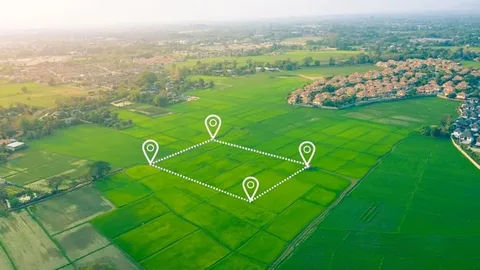
A khasra number is essentially a unique identification code assigned to a specific plot of land in rural areas of India. This number is primarily used in land revenue records to distinguish one piece of land from another. In simpler terms, the khasra number acts as a "land identity tag" for agricultural and rural land parcels.
Land records in India, managed by state governments, utilize these identifiers to ensure accurate documentation and prevent legal disputes. Alongside khasra numbers, terms like khatauni number (village accounts) and jamabandi (land registers) are part of the system for seamless record-keeping.
Why is Khasra Number Important?
The khasra number is essential for:
- Ownership Proof: It confirms who the rightful owner of a specific plot is, reducing fraud risk.
- Demarcation of Boundaries: It helps to identify the precise location and dimensions of land parcels.
- Legal and Financial Transactions: Essential for buying, selling, leasing, or mortgaging land.
- Land Record Verification: Helps government officials and citizens verify accurate property records.
How to Find Land Details Using Khasra Number in India
Accessing land records and retrieving information tied to the khasra number is now easier thanks to digitization across states. Here’s a step-by-step guide on how you can find land details using a khasra number:
1. Visit the Official Land Record Website
In India, each state has an official land record portal that manages and provides access to property details. Websites like Bhulekh, Bhu Naksha, and others, depending on your state, allow you to search for specific plots using the khasra number.
2. Search by Khasra Number
On the portal, locate the search option for khasra number. Enter the specific khasra number tied to the plot you want to check.
3. Verify Details
Once the search results load, you’ll typically find details such as:
- Owner information
- Land dimensions
- Crop records (if agricultural land)
- Property boundaries
4. Visit Local Land Revenue Office (If Necessary)
If online searches don’t yield sufficient details or your khasra number isn’t listed, visiting the local tehsil or patwari office can help. Officials can guide you on next steps to obtain verified land information.
5. Mobile Applications and Digital Assistance
Many state governments, including Uttar Pradesh, Haryana, and Maharashtra, offer user-friendly mobile apps. You can use these apps to search khasra numbers and retrieve property-related data instantaneously.
Using State-Specific Land Record Portals
Each state in India manages land records under its jurisdiction, so it’s essential to know the respective portal for your region. For example:
- Delhi: Visit the Delhi Bhulekh Portal.
- Uttar Pradesh: Use the UP Bhulekh platform for khasra number searches.
- Rajasthan: Explore ROR (Record of Rights) services on Rajasthan’s land record site.
- Madhya Pradesh: Access the MP Bhulekh database for land records.
Navigating to the right portal and entering accurate details ensures success in retrieving khasra number records.
Benefits of Accessing Land Records Online
Going digital has made khasra number searches more efficient. Some key advantages include:
- Transparency: Eliminates manual errors and fraud risks.
- Accessibility: Easy access without physical visits to government offices.
- Time-Saving: Instantly fetch essential details online within minutes.
- Environment-Friendly: Reduces paperwork.
FAQs: Everything You Need to Know About Khasra Numbers
Q1: What is the difference between khasra number and khatauni number?
The khasra number identifies individual plots, while the khatauni number is assigned to an account that aggregates details of multiple khasra numbers under a single individual or family in a village.
Q2: Can khasra numbers be used for urban properties?
No, khasra numbers are generally confined to agricultural and rural lands. In urban areas, plot numbers or land survey numbers are used.
Q3: What should I do if my khasra number doesn’t show up on the state’s land record portal?
Visit your local revenue office or consult the tehsil’s patwari in your area to get the records updated or clarified.
Q4: Is khasra number linked to land taxes?
Yes, the khasra number helps track land taxes and dues, especially in rural areas.
Q5: Can I change or update khasra number details online?
Any such updates need to be done through official processes at land revenue offices. Online portals generally provide records but might not allow modifications without formal protocols.
Final Thoughts
The khasra number is an integral part of land ownership and verification in India. By learning how to use it effectively, you can demystify land records, streamline property transactions, and ensure transparency. Digitization of land records has made the search process faster, allowing citizens to access documents securely from home.
Whether you're dealing with buying land, tracing records, or settling disputes, your khasra number is the key to unlocking critical land-related information. Explore state-specific portals today, and use khasra numbers to make informed decisions with ease.
Call to Action
Ready to find your land details using khasra numbers? Visit your state’s land record portal today to explore how digitization can simplify property management for you.
Ensure landownership security and transparency, and explore your state-specific portal now!
By adopting the correct steps laid out above, navigating land record systems becomes an easy endeavor. Use relevant tools to find land details efficiently, ensuring you’re always informed about your property. Need more property-related insights? Check out similar articles on land records and property management today!