
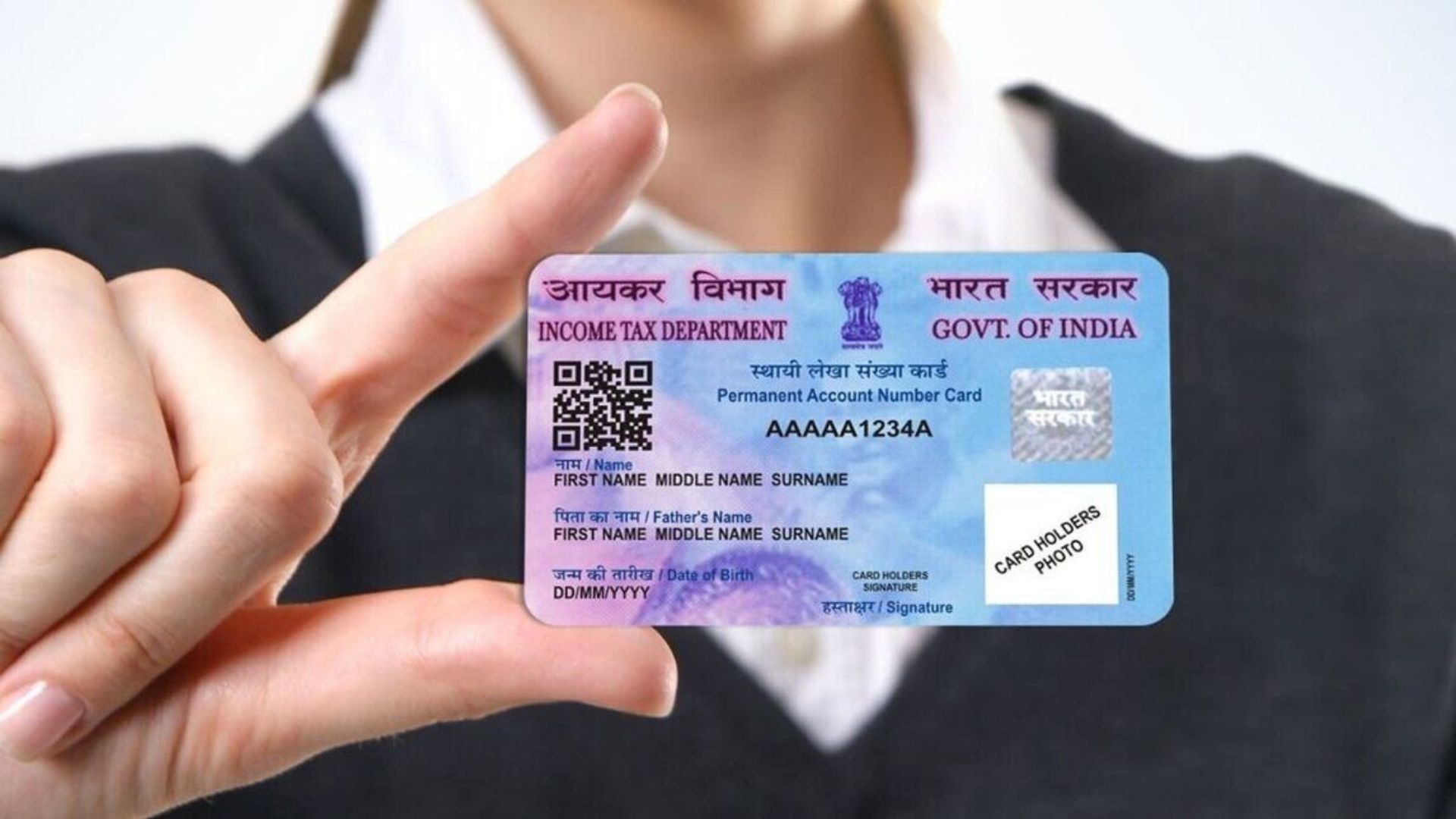
Managing your financial records becomes much easier when you know how to access important details like your PAN number and active loan information. Whether you are applying for a personal loan, checking your credit profile, or filing income tax returns, your Permanent Account Number (PAN) plays a crucial role.
This guide explains how to find your PAN number by name, check active loans online, calculate pre-EMI, and understand the Effective Annual Rate (EAR) for better financial planning.
What is a PAN Number?
The Permanent Account Number (PAN) is a unique 10-character alphanumeric identification number issued by the Income Tax Department of India. It is mandatory for various financial transactions and acts as proof of identity for taxation purposes.
Importance of PAN Card
Tax Identification
The PAN card helps the government track taxable financial transactions.
Loan Applications
Banks and NBFCs require PAN details while processing personal loans, home loans, and credit cards.
Banking and Investments
PAN is essential for:
- Opening bank accounts
- Investing in mutual funds
- Trading in stocks
- Purchasing property
Credit Report Access
Your PAN is linked to your credit history and active loan records.
How to Find Your PAN Number by Name
If you have forgotten or misplaced your PAN card, you can retrieve your PAN number online using your personal details, find pan no by name.
Step-by-Step Process to Find PAN Number by Name
Step 1: Visit the Official Income Tax Website
Go to the official Income Tax Department portal or PAN service provider website.
Step 2: Select “Know Your PAN”
Navigate to the PAN-related services section and choose the option commonly labeled:
- “Know Your PAN”
- “Verify PAN”
- “Retrieve PAN Details”
Step 3: Enter Required Details
Fill in your:
- Full name
- Date of birth
- Registered mobile number
- Email ID (if required)
Step 4: OTP Verification
An OTP (One-Time Password) will be sent to your registered mobile number. Enter the OTP for identity verification.
Step 5: View Your PAN Details
After successful verification, your PAN number will be displayed on the screen.
Alternative Ways to Retrieve PAN Number
If online retrieval does not work, you can:
- Contact the Income Tax helpline
- Visit a PAN service center
- Check old financial documents like ITR filings, bank statements, or loan papers
How to Check Active Loans Using PAN Card
Checking active loans linked to your how to check active loans on pan card helps you monitor your financial liabilities and maintain a healthy credit score.
Steps to Check Active Loans Online
Visit a Credit Bureau Website
You can check your active loans through major Indian credit bureaus such as:
- CIBIL
- Experian
- Equifax
- CRIF High Mark
Register or Log In
Create an account or log in using your:
- PAN number
- Mobile number
- Email address
Verify Identity
Complete OTP verification or answer security questions.
Download Credit Report
Once verified, access your credit report containing:
- Active loans
- Loan types
- Outstanding balances
- EMI history
- Credit card dues
- Credit score
Why Checking Active Loans is Important
Regularly checking your loan status helps:
- Detect unauthorized loans or fraud
- Improve financial planning
- Track repayment history
- Maintain a strong credit score
- Increase future loan approval chances
Understanding Pre-EMI
Pre-EMI refers to the interest-only payment made before full EMI repayment begins. It is commonly applicable for:
- Under-construction property loans
- Partial loan disbursement cases
During the pre-EMI period, borrowers pay only the interest component on the disbursed amount.
Formula to Calculate Pre-EMI
[
\text{Pre-EMI} = \frac{P \times r \times (1+r)^n}{(1+r)^n - 1}
]
Where:
- (P) = Loan amount disbursed
- (r) = Monthly interest rate
- (n) = Number of months
Example of Pre-EMI Calculation
Suppose:
- Loan Amount = ₹10,00,000
- Annual Interest Rate = 8%
- Tenure = 20 years
Monthly interest rate:
[
r = \frac{8}{12 \times 100} = 0.00667
]
Using the formula above, you can estimate your monthly pre-EMI payment before the complete loan disbursement begins.
What is Effective Annual Rate (EAR)?
The Effective Annual Rate (EAR) represents the actual annual interest payable on a loan after considering the impact of compounding.
Unlike nominal interest rates, EAR gives borrowers a more accurate understanding of the total borrowing cost.
Formula for EAR
[
\text{EAR} = \left(1 + \frac{i}{n}\right)^n - 1
]
Where:
- (i) = Nominal annual interest rate
- (n) = Number of compounding periods in a year
Why EAR is Important
Better Loan Comparison
EAR helps compare different loan offers more accurately.
Understand Actual Loan Cost
It reflects the true annual borrowing cost after compounding.
Improved Financial Planning
Borrowers can estimate their total repayment obligations more effectively.
Tips to Maintain Healthy Financial Records
Keep PAN Details Updated
Ensure your PAN is linked with:
- Aadhaar
- Bank accounts
- Loan accounts
Monitor Credit Reports Regularly
Review your credit report at least once every few months.
Pay EMIs on Time
Timely repayments improve your credit score and future loan eligibility.
Avoid Multiple Loan Applications
Too many loan inquiries can negatively affect your credit profile.
Conclusion
Finding your PAN number by name and checking active loans online is now easier than ever thanks to digital financial services. Your PAN card is an essential financial document that connects your tax records, credit history, and loan details.
Understanding concepts like pre-EMI and Effective Annual Rate (EAR) also helps borrowers make smarter financial decisions and plan repayments effectively.
By regularly monitoring your credit profile and staying informed about your financial obligations, you can improve your financial health and increase your chances of securing loans with better terms in the future.